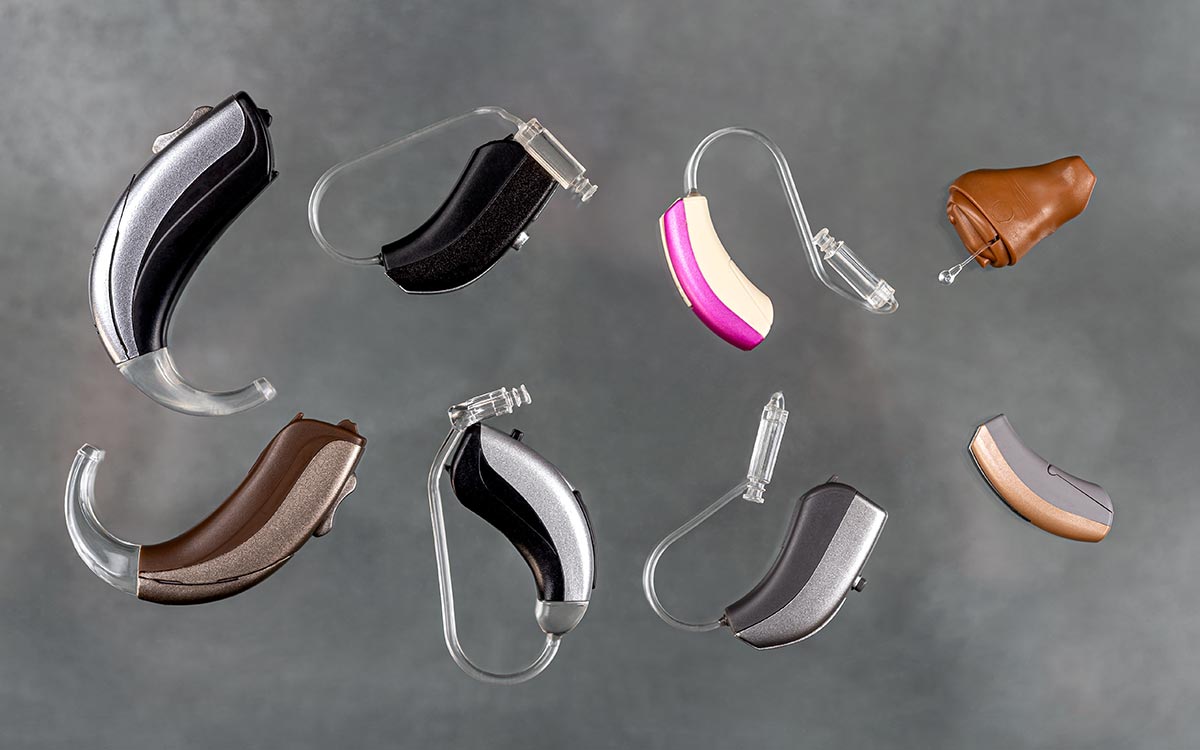
With so many options in terms of dimensions, style, and technology, the process of picking a hearing aid can feel quite intense. Rest assured that there is a hearing device tailored to every lifestyle and degree of impairment. It’s just a matter of finding it!
Understanding the distinctions among the most popular types of hearing aids can help you feel more informed and confident as you explore your options. In this breakdown, we look at current styles and the unique characteristics that define them.
The ITC (In-the-Canal) Style Explained
What they represent:
An ITC device is engineered to sit partially within the ear canal while showing just a small section in the outer ear area.
Why users choose them:
- Offers an improved profile than bulkier behind-the-ear units
- Specifically contoured to the wearer’s ear for an optimal fit
- An effective option for those with moderate hearing needs
First-time wearers frequently lean toward ITC aids because they strike an ideal compromise between size and performance.
Invisible-in-Canal (IIC) Hearing Aids
How they work:
These are the tiniest custom-made devices on the market today. This style rests deep in the ear for a completely covert appearance.
Why people choose them:
- Maximum aesthetic discretion
- Provides realistic audio because of where the device sits
- Lightweight and easy
The small form factor of IIC models makes them perfect for mild hearing loss and anyone who values an invisible hearing solution.
Full and Partial ITE Options
Structural Data:
ITE hearing aids fill either the entire outer ear (full-shell) or the lower portion (half-shell). They are custom-made to match the shape of your ear.
Value Offering:
- An appreciably larger frame houses advanced tech and more powerful batteries
- Ideal for seniors who find smaller devices hard to manipulate
- An adaptable option that can address even significant levels of hearing loss
Users regularly choose these units for their straightforward, single-piece construction that avoids any external wiring or tubing.
Traditional Behind-the-Ear (BTE) Models
Functionality:
A BTE hearing aid is worn externally behind the ear for a stable fit. Sound moves into the ear canal through an internal tube or custom earmold.
Key Advantages:
- Offers a long-lasting and flexible solution for various environments
- Function for almost all degrees of hearing loss
- Large enough to include sophisticated software and modern rechargeable technology
For those who value a dependable device that is easy to manage and provides plenty of volume, BTE is a top choice.
The RIC Style Breakdown
Mechanical Arrangement:
In an RIC model, the speaker is separated from the main housing and placed inside the canal via a thin wire.
Why people choose them:
- Provides an exceptionally crisp and lifelike listening experience
- The ultra-thin style is equally light and nearly effortless to wear
- Great for many levels of hearing loss
RIC devices are one of today’s most popular models, thanks to their blend of comfort, aesthetics, and performance.
Long-Term “Set and Forget” Hearing Aids
Usage Summary:
These devices are inserted far in the ear canal by a hearing professional and can stay in place for several weeks at a time.
Lifestyle Benefits:
- Perfect for wearers who want to avoid the routine of handling hearing aids daily
- Offers an entirely covert solution for hearing health
- Designed to be worn during everyday activities, including sleeping and exercising
If you want a hearing solution that requires zero daily thought, the extended-wear style is perfect.
Connected Wireless Systems
Digital Attributes:
Hearing aids with wireless connectivity that pair with smartphones, tablets, computers, and sometimes TVs.
Why go wireless:
- Send calls, music, and audio directly to the hearing aids
- Provides a discreet method to manage your hearing environment from your mobile screen
- Enhanced ease for modern lifestyles
Most contemporary RIC, BTE, and ITC hearing aids now offer an advanced version.
Surgically Placed Middle-Ear Solutions
Design Layout:
An implantable solution that works by shaking the tiny bones inside the ear to provide amplified audio.
Why people choose them:
- Choice for those who cannot use traditional hearing aids
- Pleasant option for chronic ear issues related to traditional devices
These devices need a thorough medical review by a hearing, nose, and throat expert.
Finding the Hearing Aid That Fits Your Lifestyle
Every hearing aid style offers its own advantages, and the right option depends on your level of hearing loss, comfort preferences, lifestyle, and cosmetic considerations. A specialist can provide the guidance needed to test out different styles and find the one that fits your life perfectly.
Start moving toward an environment of superior sound by arranging an appointment with an expert specialist. This simple step is the basis for improved hearing and better connections with those around you.
Sources:
https://www.mayoclinic.org/diseases-conditions/hearing-loss/in-depth/hearing-aids/art-
20044116
https://www.hearinglife.com/hearing-aids/types
https://www.nidcd.nih.gov/health/hearing-aids
