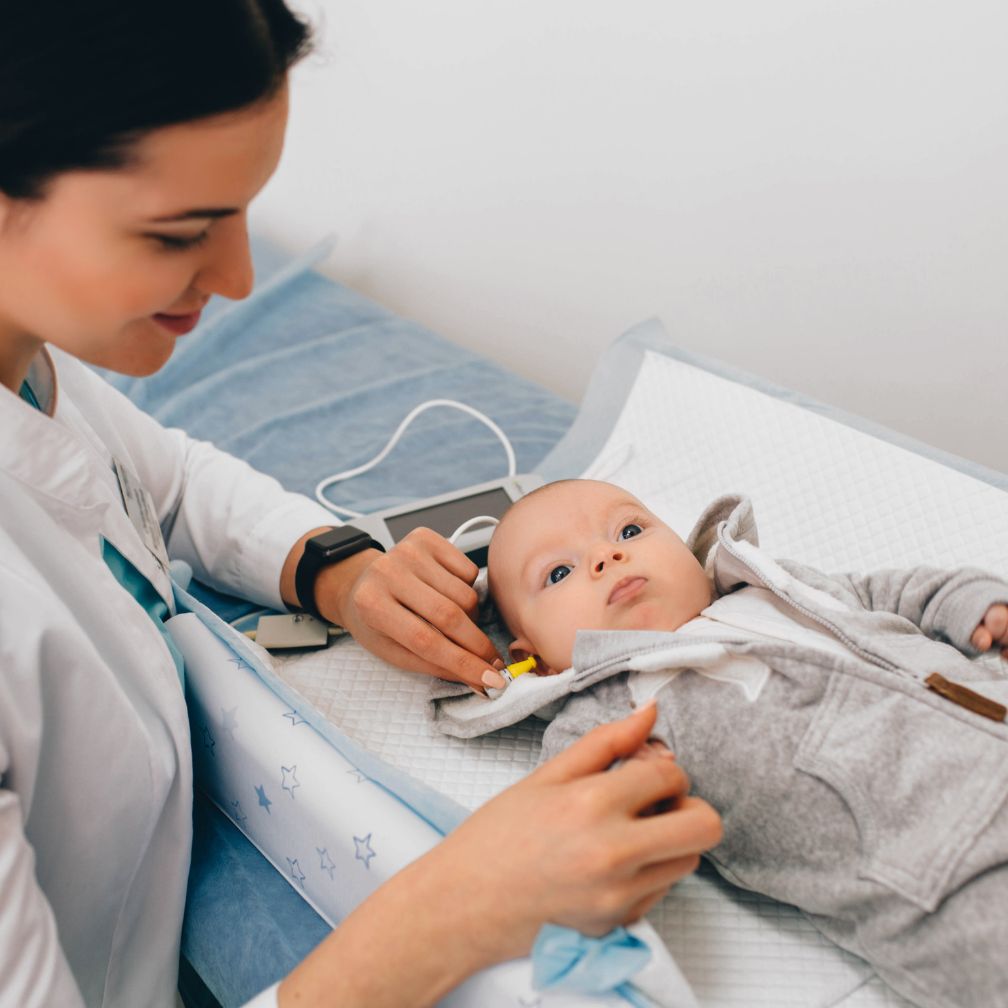
For first-time parents, discovering that their infant experiences auditory deficits remains extraordinarily shocking and painful. Yet the positive reality is that through early screening and correct support, young children with auditory challenges can successfully thrive. Remarkably, these children can construct verbal communication, expressive ability, and strong bonds within their surroundings, unlocking a highly enriched future!
Combining custom pediatric hearing aids with surgical cochlear implants represents two premier clinical instruments for supporting infants with hearing deficits. Below, our guide evaluates their operational details so you can identify the proper choice for your baby.
Exploring Causes of Auditory Loss in Infants
Auditory decline within infants can result from several distinct health factors, such as:
- Specific genetic mutations (even within bloodlines having no history of impairment)
- Dangerous maternal congenital infections such as cytomegalovirus (CMV) or rubella
- Significant obstetric complications, featuring systemic oxygen lack or low birth weight
- Specific therapeutic drugs given inside hospital neonatal intensive units
Which step demands immediate priority? Rapid clinical identification. Consequently, infants in American medical centers receive auditory checks before heading home. Pediatric hearing experts follow the established “1-3-6” care guideline:
- Baseline screening performed inside 30 days post-birth
- Definitive medical diagnosis secured before 90 days of life
- Early therapeutic care (utilizing personal devices or developmental therapy) started by 6 months of age
Meeting these milestones offers infants the best chance for healthy speech, language, and brain development. If you need further clarity with these newborn checks, your primary pediatrician remains ready to assist you!
Hearing Aids for Infants
For infants diagnosed with mild to severe auditory loss, electronic hearing aids typically represent the initial therapeutic step. These small, wearable devices amplify sound, assisting babies in catching spoken words and environmental sounds more distinctly.
Dedicated pediatric-grade hearing devices represent:
- Exceptionally safe for fitting on young babies aged just a few weeks
- Engineered featuring soft, protective ear impressions that adjust seamlessly as the baby grows
- Designed including tamper-proof battery doors along with custom pediatric safety options
- Custom-tuned by a certified pediatric audiologist to align with your baby’s exact hearing needs
As an infant expands physically, their wearable units necessitate ongoing recalibration to secure accurate fit and optimal therapeutic benefit.
Understanding Cochlear Implantation for Babies
Where a young infant shows severe to profound sensorineural loss and derives insufficient benefit from wearable aids, a cochlear device can be prescribed. Unlike hearing aids, cochlear implants:
- Demand a dedicated surgical procedure for placement to enable direct neural stimulation
- Safely bypass damaged sensory cells inside the cochlea
- Translate acoustic signals into direct electrical impulses that actuate the nerve of hearing
Pediatric cochlear implant systems remain:
- Officially cleared by the FDA for application in babies aged 9 to 12 months and older
- Highly effective when supported through early therapy programs and consistent family engagement
- Advised strictly following complete multi-disciplinary testing by a certified audiologist and otolaryngologist
That multi-step journey involves temporal bone imaging, objective hearing assessments, and open dialogue concerning long-term communicative results.
Comparing Hearing Aids and Cochlear Implants: Key Differences
- Mild to severe hearing loss relies on Hearing Aids; Severe to profound hearing loss requires Cochlear Implants
- Non-Invasive external placement: Hearing Aids; Invasive surgical procedure: Cochlear Implants
- Physical sound amplification: Hearing Aids; Direct electrical signal generation: Cochlear Implants
- Treatment starts in newborn infancy: Hearing Aids; Implantation starts at 9-12 months: Cochlear Implants
Final Conclusions: Selecting the Right Path for Your Infant
If your newborn faces a confirmed hearing impairment diagnosis, remember that proven treatment choices and robust community resources exist to help you. Thanks to collaboration with dedicated pediatric audiologists, countless infants successfully cultivate language skills that are on par with their peers.
No matter if your infant proves better suited for conventional hearing aids or advanced cochlear implants, taking immediate action creates a profound lifelong advantage.
Have questions about your baby’s hearing health? Reach out to us today to schedule a thorough assessment and individualized management strategy.
