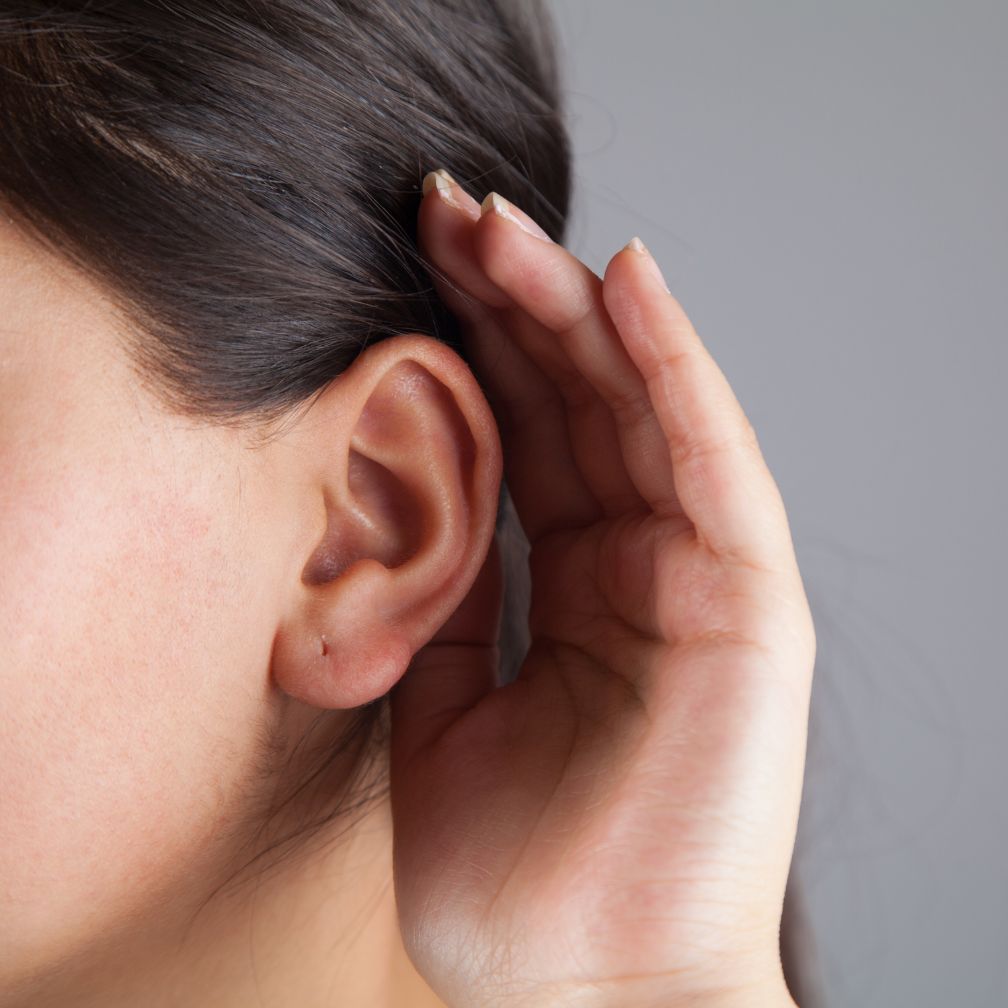
What is the source of that bizarre internal sound resembling continuous static or rushing wind inside your head? Why is this disruptive acoustic phenomenon completely silent to everyone else? Rest assured, this physical perception is definitely not a product of your imagination.
Happily, you are likely not suffering from “phantom ring syndrome,” a modern behavioral manifestation where excessive cellular device users falsely perceive incoming calls, vibrations, or alerts.
More than likely, you are experiencing a very common peripheral vestibular and auditory condition known as tinnitus. And yes, what you’re hearing is real, and there are some things that can make tinnitus worse.
Even with this internal hum, your ears retain the capacity to process active human speech. Instead, it functions as an omnipresent layer of sensory noise transposed directly on top of your standard daily hearing.
In this guide, we will investigate the neurological origins of this static, define its pathology, and explore proven methods to minimize or eliminate its impact.
What is tinnitus & why do I hear this white noise in my head?
From an audiological standpoint, tinnitus is almost always a direct proxy for localized hearing loss. It’s characterized by a constant or intermittent noise that sounds like it’s on top of what you hear. Depending on the exact etiology of your condition, the frequency may blend into the background for most of the day. Or you may be saying, this white noise in my head feels deafening, threatening to take my sanity.
You have likely attempted to describe this exhausting sensory distortion to friends, but this particular manifestation of hearing loss is incredibly abstract to those with normal hearing.
How can this humming noise in my head not be there? Is it a hallucination? You may find yourself asking how a silent hum can completely disrupt your concentration and impair your social interactions. Or completely sabotage your natural ability to fall into a deep, restorative sleep cycle?
What is the noise you hear when it’s quiet?
It is a well-documented clinical fact that a lack of environmental audio causes your internal ear noises to feel significantly worse. This occurs because the phantom signal inside your pathways no longer encounters any external acoustic competition; for instance, the average adult maintains absolute silence in their bedroom during sleep hours. They choose to run no active entertainment devices, omit music, and enforce a strict policy of zero structural sound. When you couple that absolute stillness with the reality that you are isolated with your own thoughts, your conscious attention locks directly onto the internal buzzing, creating a fixation cycle that makes the symptoms feel vastly more intense. No matter if you battle soft whistling or intense buzzing across variable frequencies, a hushed bedroom at night establishes the exact scenario required for tinnitus to become unbearable.
When Tinnitus Mimics Wind, Static, and Alternative Acoustic Textures
Not only does the disorder defy easy explanation to outsiders, but sharing notes with another patient can frequently muddy the waters. Because their internal audio profile may feature entirely unique pitches or patterns compared to your own, you might mistakenly assume your specific condition has a different medical diagnosis.
In reality, the overwhelming clinical likelihood is that you are dealing with standard tinnitus variations. The disorder presents with remarkable variety, shaping its subjective sound signature differently from one ear network to the next. Individual experiences cover a broad acoustic spectrum, including regular perceptions of:
- A continuous blanket of high-frequency digital static
- Humming
- Buzzing
- The classic, crystalline ringing tone deep within the ears
- An episodic, heavy thumping localized behind the eardrum
- A steady, monotonous frequency resembling an active dial tone
In most cases, you’re the only one who can hear the white noise caused by tinnitus. Therefore, asking a general practitioner to audibly detect your internal static is a medical impossibility. Instead, your regular physician must depend completely on your personal testimony to chart the condition.
This lack of objective testing can easily make a patient feel completely invalidated when consulting a general doctor who lacks specialized understanding of ear pathways.
To illustrate, an industrial steelworker named Thomas shared his story: “The moment that intense ringing initiated, I consulted my family physician. Though the practitioner casually acknowledged the probability of tinnitus, he failed to grasp how profoundly debilitating the constant roar was to my daily routine. He spoke about it like it wasn’t really there. He seemed to think I could just ignore it and really didn’t offer any solutions.”
Consulting a dedicated hearing professional effectively addresses this communication breakdown and unlocks access to advanced medical solutions. Remarkably, the precise texture and rhythm of your subjective audio can yield critical clues that direct the specialist toward the right therapy.
When the Internal Static Matches Your Pulse: Understanding Pulsatile Symptoms
Accurately communicating your history is inherently challenging because the disorder utilizes an incredibly vast array of acoustic profiles across different patients. For instance, if your internal static takes the form of a mechanical whooshing or rhythmic throbbing that mirrors the exact timing of your physical pulse, your diagnosis may be pulsatile tinnitus.
The good news is that pulsatile tinnitus can be treated more effectively than regular tinnitus since it’s usually caused by one or more health problems, like high blood pressure or issues with your arteries.
That whooshing sound can also be brought on by the flow of blood through narrow veins in your head, which is called a bruit. It is absolutely imperative to have this symptom evaluated by a specialist, as this mechanical murmur can occasionally warn of severe cardiovascular blockages that precede an acute stroke or seizure.
The Auditory Reality of Pulsatile Symptoms: External Verification Options
The reality is undeniable: this persistent head noise is a legitimate, exhausting condition that severely impacts quality of life. While traditional forms defy direct observation, rare presentations of vascular tinnitus enable a trained professional to utilize an amplified stethoscope to audibly track the internal murmur alongside you. Remember, this external diagnostic confirmation is exclusively possible within vascular profiles, which occur far less frequently than standard subjective ear ringing.
Tracing the Roots of Your Head Static: Common Medical Causes
In most clinical case histories, the principal cause behind this internal static is a history of sustained exposure to hazardous noise levels. This explains why the disorder is highly prevalent among professional musicians, concertgoers, and industrial laborers who operate within loud environments for consecutive hours over several years.
Several specific employment sectors generate high enough decibel baselines to directly induce permanent tinnitus, including:
- Factory Work – Operating around unmitigated industrial machinery for consecutive hours creates a highly toxic environment for your delicate hearing mechanisms. Beyond the raw volume, the high-pressure nature of manufacturing work spikes your stress hormones, which serves as a major secondary driver that worsens the internal ringing over time. If your job positions you near an active pneumatic riveter, you are facing a massive risk; these devices exceed 125 decibels, a level that causes immediate structural ear damage and severe, permanent static.}
- Agricultural Industry Operations – Forget about the traditional sounds of nature. Although a rooster can produce a piercing 90 decibels in the morning, the heavy equipment utilized on a modern farm is infinitely more hazardous to your ear health. Operating tractors, managing combines, running cherry-pickers, or working alongside automated milking networks subjects your ears to extreme decibel wear. Even simple carpentry repairs can cause harm, as a typical table saw operates at over 85 decibels, causing steady auditory decline without ear protection.}
- Aviation – A commercial jet propulsion system generates a staggering 140 decibels of acoustic energy, even from a distance of a hundred feet. While professional aviators generally wear protective communication headsets, pilots of small or regional aircraft operate right next to the engine firewall. No passive or active headset is completely capable of shielding the inner ear from this intense, vibrating sound pressure, meaning your hard-earned flight hours are simultaneously causing gradual, permanent sensorineural damage.}
- Highway Patrol Operators – While millions ride motorcycles for recreation, any professional assignment that requires operating a high-displacement bike for an entire shift places you at extreme risk for occupational hearing loss and secondary tinnitus. The identical acoustic risk applies to the prolonged operation of snowmobiles or commercial jet skis—though very few workers ride these vehicles for a living unless they occupy a highly unique and exciting role in outdoor law enforcement.}
- Nightlife and Hospitality Personnel – To fulfill your duties, you must accurately capture a patron’s drink order from across a crowded room. However, the ambient acoustics in modern nightclubs are set so high that discerning speech becomes a massive physical struggle, forcing your auditory cortex to work overtime against a wall of sound. If the venue hosts a live band or high-powered subwoofers, your inner ear suffers the exact same structural trauma experienced by the musicians on stage.}
In all of these instances, the tiny hairs inside the inner ear were damaged by constant exposure to loud noises. These minute receptors capture incoming acoustic waves and transmit them along the auditory nerve so your brain can interpret what is happening. Tragically, unlike your skin or bone tissue, these specialized sensory receptors lack the biological capacity to regenerate or repair themselves, leaving you with permanent deficits and a distorted auditory perspective.
Identifying Common Triggers That Exacerbate Tinnitus Intensity
Beyond direct exposure to loud volumes, specific lifestyle choices and physiological conditions can cause the white noise in your head to worsen.
- Psychological Distress – Chronic anxiety and clinical depression frequently trigger an agonizing neurological feedback loop. As your emotional symptoms amplify, your brain’s gating mechanisms fail, causing the tinnitus to seem much louder—which in turn drives your anxiety and depression to deeper levels.}
- Neglecting Auditory Self-Care – Your ear pathways signal distress through pain or fullness when environmental sound hits dangerous thresholds. Do not simply ignore the warning signs or push through the noise; prioritize ear protection, because your baseline hearing cannot be restored once it is lost.}
- High Blood Pressure – Unmanaged hypertension can cause severe micro-circulatory issues, starving your cochlear architecture of oxygenated blood. This fluid restriction causes an immediate surge in the loudness of your tinnitus and can compound your long-term hearing degradation if left untreated.}
- Smoking Habits – The chemical peaks and valleys experienced between cigarettes can cause your auditory symptoms to flare up dramatically. While lighting up seems to soothe the immediate stress, the long-term toxic payload and cardiovascular damage from smoking ensure that your tinnitus will continue to worsen over time.}
- Some foods – Some people find that caffeine and artificial sweeteners make tinnitus worse. Keep a food journal to track everything you eat, along with your tinnitus level, to find out which foods make your symptoms worse.}
- Some people – Being around certain people, especially people with a very negative outlook, can make tinnitus worse because it triggers high blood pressure, anxiety, and depression. Consider relationships that may be doing you more harm than good and decide if they’re important enough to risk your hearing and health. Remember, you can’t change other people, but you can choose to be around them less often.}
- Maternal Shifts – Roughly a third of all pregnancies involve the onset of tinnitus, typically caused by the intense hormonal changes, fluid retention, and blood pressure adjustments that occur during gestation.}
- Deep Wax Obstructions – Hardened cerumen accumulating deep within the canal can exert mechanical pressure on the eardrum, producing strange hums and static. Arranging to have this blockage cleared by an ENT specialist can provide immediate, total resolution of your symptoms in cases of simple impaction.}
- Ototoxic Pharmaceuticals – A wide array of medications, including specific opiates, broad-spectrum antibiotics, loop diuretics, chemotherapy regimens, and even common over-the-counter NSAID painkillers, carry documented ototoxic side effects. It is highly recommended that you consult both an audiologist and your primary physician to thoroughly evaluate your current drug profile for ear risks.}
Reviewing Effective, Clinically Proven Tinnitus Management Options
If you have an underlying condition, talk to your doctor. Certain diseases will actively escalate the loudness of your symptoms, with clinical anxiety and high blood pressure being prime examples.
Following the successful treatment of any underlying physical diseases, you can pivot to advanced symptom-management strategies. Your rehabilitation roadmap can successfully integrate options like:
- Relaxation Practices – Engaging in deep meditation, mindfulness yoga, or low-impact exercise can significantly downregulate your body’s fight-or-flight triggers. Cultivating healthy, substance-free coping mechanisms for life’s pressures is a discipline few people acquire during childhood or standard schooling. Nevertheless, thousands of individuals choose to master these tools later in life because they are highly effective at quieting the internal static.}
- Ambient Sound Conditioning – Implementing a bedside white noise generator can supply immediate comfort when you are trying to fall asleep. It is critically important that you never attempt to blast past the internal hum using tight headphones or loud music blocks. Doing so will only inflict further trauma on your stereocilia, driving up the baseline volume of your tinnitus over the long term.}
- Modern Hearing Solutions – Investing in current hearing instrument technology can completely change your symptoms through specialized acoustic cancellation. Today’s devices are built with advanced processing chips that offer sophisticated tinnitus management programs. These units can be dynamically adjusted by an audiologist to produce a gentle sound layer that seamlessly masks or cancels the unique frequency you are tracking.}
- Sound treatment, which trains your ear to ignore the sound. Sound therapists emit a sound into your ear that mimics the sound you hear. It teaches your brain to ignore the sound and focus on other sounds, like voices.}
- Cognitive Behavioral Therapy (CBT) – This evidence-based psychological intervention is expertly designed to dismantle negative behavioral patterns and stress cycles. For patients who frequently ruminate on distressing news or worry about external situations they cannot influence, CBT offers an ideal solution. It systematically coaches your mind to redirect its energy toward positive elements and areas where you maintain true autonomy, which rapidly reduces the stress that feeds your tinnitus.}
The Reality of White Noise Therapy: Management vs. Cure
We have all heard the expression regarding fighting fire with fire, but does it make clinical sense to combat internal static with external static? A major clinical trial recently conducted in the United Kingdom revealed that while ambient acoustic masking provides substantial relief to sufferers, it must be combined with comprehensive behavioral therapies to deliver long-term results.
The honest clinical reality is that a permanent cure for this condition has not been discovered, meaning our medical goals focus on deploying specialized treatments to help you control and cope with the condition.
Given these facts, what are your best immediate options for addressing your ear ringing? Most importantly, you should get your hearing tested. An evaluation will provide clear data showing how severely the background hum is compromising your ability to follow along when family members speak. Following your exam, you will be prepped to map out an advanced, highly tailored recovery plan alongside your local hearing care physicians.
What if I hear music in white noise? Or voices or other things?
If you are perceiving distinct melodies or spoken words within raw static, you are likely dealing with a phenomenon separate from standard tinnitus. Please do not worry or panic over this development, as it is completely unrelated to schizophrenia or alternative serious mental health conditions. In clinical medicine, the primary diagnosis for this pattern is Musical Ear Syndrome, universal apophenia, or auditory pareidolia. Your brain’s processing centers are incredibly advanced at pattern recognition, frequently attempting to organize chaotic background sound waves into meaningful signals. Sometimes it misinterprets what it hears. Specifically, audio pareidolia is the precise mechanical process where your brain converts meaningless background static into a structured audio track you remember, like a melodic tune. Alternatively, if you perceive vivid songs playing when your immediate surroundings are completely devoid of any real-world sound pressure, you are likely navigating a benign musical hallucination.
