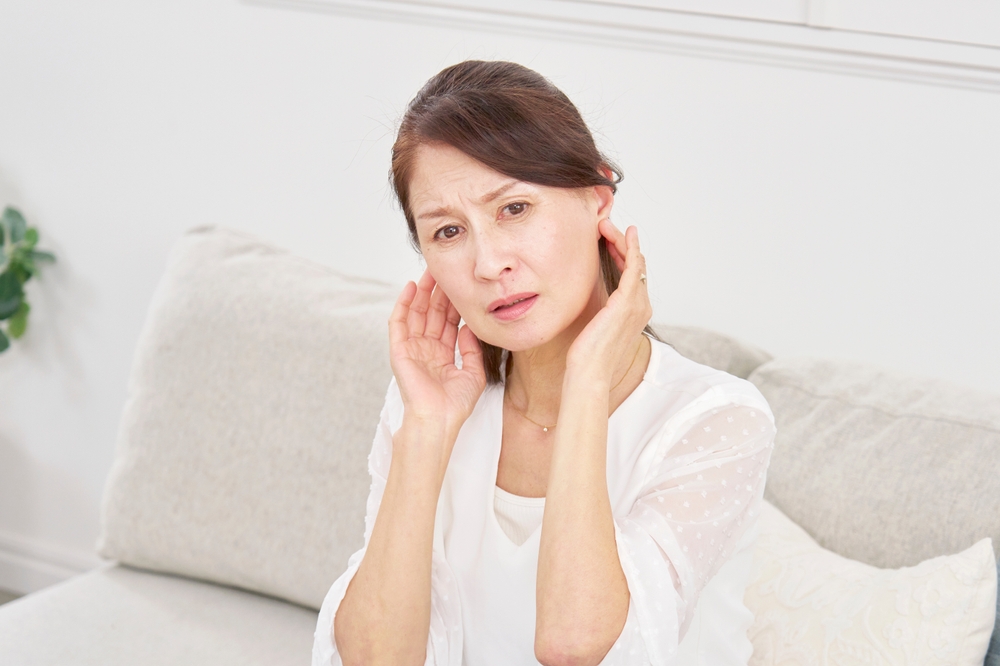
Waking up one morning and realizing you can’t clearly hear is a frightening experience for anyone. This type of hearing impairment is strikingly sudden, often appearing without prior warning signs or preliminary symptoms. Though certain triggers are transient and easy to resolve, others demand rapid clinical intervention.
Learning why hearing fails rapidly and prioritizing immediate care is essential for long-term health. Below, we review the characteristics of abrupt hearing impairment along with clinical guidance on contacting a specialist.
What Is Sudden Hearing Loss?
We define sudden hearing loss as a distinct drop in auditory sensitivity spanning several hours to a limit of three days. It may impact one ear or, less commonly, both. Presentations include dullness of sound, persistent ringing, a feeling of pressure, or an inability to follow conversation.
Navigating SSHL: A Medical Priority
Sudden sensorineural hearing loss is one of the most urgent causes to evaluate.
The condition is caused by physical damage affecting the cochlea, hearing nerve, or neural pathways. Though a definitive cause may be hard to pin down, the following factors often play a role:
- Vascular limitations affecting auditory nerve function
- Increased inflammation within the auditory pathways
- Underlying viral triggers affecting the ear
- Neurological factors
Because the window for effective treatment is so narrow, SSHL is handled as an urgent crisis where early care dictates the outcome.
Infection-Based Auditory Loss
Viral activity often leads to swelling in the hearing nerve, resulting in major auditory changes.
Medical research connects the following viruses to rapid changes in hearing acuity:
- Common upper respiratory infections
- The annual flu virus
- Herpes-based infections
- Secondary hearing effects after a COVID-19 infection
Hearing symptoms often manifest during the height of an illness or in the early recovery phase, sometimes with vertigo.
Impact and Auditory Trauma
Accidental events such as head strikes, barotrauma, or high-decibel exposure can compromise the ear’s fragile anatomy.
Trauma-related causes include:
- Physical impact to the cranium
- Rapid fluctuations in ambient pressure
- Intense acoustic trauma
- Physical displacement of inner ear fluids
Relatively small impacts can still compromise auditory function, particularly if shifts manifest immediately following the event.
Conductive Blockages: The Role of Earwax
While not a medical emergency like nerve damage, impacted wax is a frequent cause of sudden auditory dullness.
When wax is the main cause, the hearing change may:
- Develop quickly
- Feel like fullness or pressure
- Primarily impact one ear
- Resolve immediately upon extraction
Importantly, it’s not always possible to tell at home whether hearing loss is due to wax or something more serious. Consequently, an expert audiology assessment is essential.
Exploring Secondary Triggers for Hearing Changes
The following conditions are also noted as potential sources of sudden hearing decline:
- Pharmaceutical side effects
- Circulatory system irregularities
- Systemic autoimmune attacks on the cochlea
- Small growths on the hearing nerve
Undergoing a full audiological workup is the only way to accurately identify or dismiss these factors.
Why Acting Fast Matters for Sudden Hearing Changes
It is essential to understand that delaying evaluation for sudden hearing loss is a major risk.
Fast evaluation can:
- Uncover treatable factors behind the hearing decline
- Enhance the overall success rate of clinical interventions
- Protect against lasting damage to the hearing nerve
- Minimize the impact on your future ability to communicate
Hearing assessment plays a pivotal role in determining the type and severity of hearing loss and guiding next steps.
When Rapid Hearing Changes Require an Immediate Call
It is imperative to consult a professional immediately if you notice the following:
- Sudden hearing loss in one or both ears
- Hearing impairment coinciding with balance instability
- A sudden sensation of ringing or intense aural pressure
- Auditory decline following a sickness or physical trauma
Though your hearing may seem to recover slightly, a professional check-up is still vital for a full diagnosis.
Utilizing Diagnostics for Fast Hearing Results
Modern testing quickly identifies the specific category of the loss, such as:
- Mechanical (related to blockage or middle ear issues)
- Sensorineural (inner ear or nerve-related)
- A reversible shift or a lasting auditory decline
Initiating diagnostics early facilitates more effective clinical choices and improved recovery.
Prioritizing Your Auditory Health and Peace of Mind
While experiencing a rapid loss of hearing is distressing, early intervention provides the widest range of recovery options.
By prioritizing a clinical hearing check-up, you protect both your auditory function and your mental well-being. If you are facing an auditory crisis, our office is here: Call us right away to schedule the urgent help you deserve.
