When your hearing feels dampened, it can interfere with your daily schedule and leave you feeling detached from your surroundings. While the anxiety of lasting hearing damage is a common first reaction, the true culprit is frequently a simple accumulation of canal debris.
Grasping the distinction between earwax buildup vs. hearing loss can help you determine when a simple solution is possible and when it’s time to request a hearing evaluation. Try not to worry if your hearing feels suddenly reduced. A consultation can help you get to the bottom of it, but in the meantime, here’s what you should consider about earwax buildup (also known as earwax blockage) vs. permanent impairment.
Recognizing the Markers of Earwax Blockage
Cerumen (cerumen) is a normal, protective substance that helps trap dirt and debris and keeps the auditory canal functional. Issues arise when too much wax builds up or turns clogged.
Standard indicators of an impaction include:
- A noticeable decrease in hearing level
- A sensation of pressure or clogging in the ear
- General ear discomfort or minor soreness
- Localized tinnitus within the impacted ear
- Moments of sharper hearing after a jaw stretch or chewing
Earwax-related hearing issues are often asymmetrical, impacting one ear rather than the other. The good news is that clinical removal usually results in an instant return of your original hearing levels.
Recognizing the Signs of Permanent Auditory Decline
Lasting hearing changes, often triggered by aging or noise exposure, are progressive and persist even if the ear is perfectly clean.
Markers of permanent auditory decline often feature:
- Difficulty comprehending speech, especially in noisy environments
- A persistent requirement for speakers to articulate more distinctly or loudly
- Turning up the TV or smartphone volume louder than people desire
- Trouble detecting high-pitched sounds
- Bilateral hearing shifts that affect both ear canals simultaneously
Crucially, hearing impairment is a clarity issue that rarely includes the sense of physical fullness found with cerumen.
Quick Guide: Earwax vs. Auditory Decline
A few fundamental indicators can help you determine whether you are dealing with a treatable blockage or a more lasting change:
- Timing: Obstructions can feel instant, while hearing loss is virtually always gradual
- Duration: Cerumen issues are fixable and short-term, whereas loss is usually long-term
- Symptoms: Fullness and discomfort suggest wax; speech clarity issues indicate impairment
- Symmetry: Clogs are often asymmetrical, but lasting loss is frequently bilateral
The Risks of DIY Ear Cleaning
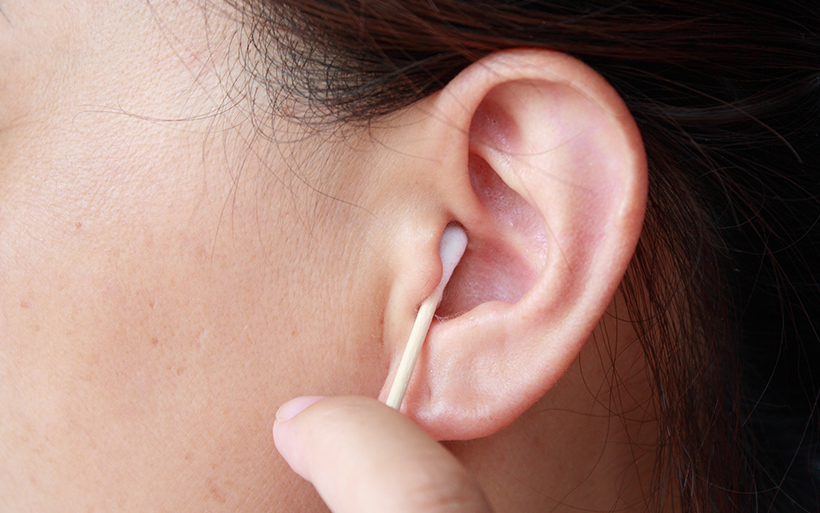
When hearing feels muffled, the natural desire is to use a Q-tip, but this is often a dangerous decision. In truth, manual probing often compacts the wax deeper against the eardrum, making the impaction worse.
Medical specialists warn that inserting anything less substantial than your finger in your ear can lead to tympanic rupture and severe clogging.
Delaying a professional evaluation for actual hearing loss can result in missing out on treatments that shield your future mental and social health.
The Importance of a Clinical Ear Exam
A clinician can employ an otoscope to immediately see if a mechanical blockage is visible.
When wax is the cause, clinical flushing or clinical clearance delivers immediate resolution.
If no wax is detected, a formal audiogram will be conducted to identify the type and extent of any underlying loss.
Experts urge an instant auditory screening if you begin struggling to interact or manage your surroundings.
Finding the Right Solution for Better Sound Quality
Muted auditory quality is not a certain marker of chronic impairment.
In numerous instances, cerumen accumulation is the cause, and it’s highly manageable.
Your audiology team can assist you to find the source of dull auditory symptoms so you can move forward with assurance and tranquility.
In the end, an audiology exam is the single reliable way to differentiate between a fleeting obstruction and a lasting shift.
Finding clarity early can avert unnecessary stress and guarantee you obtain the appropriate care at the optimal time.
If your hearing feels off, avoid guesswork. A brief check can provide all the difference, so reach out to our practice of specialists today.
